Zara Vogel · 29 September 2026
Tracing User Behavior Adjustments in Digital Platform Transitions Across Innovative Services
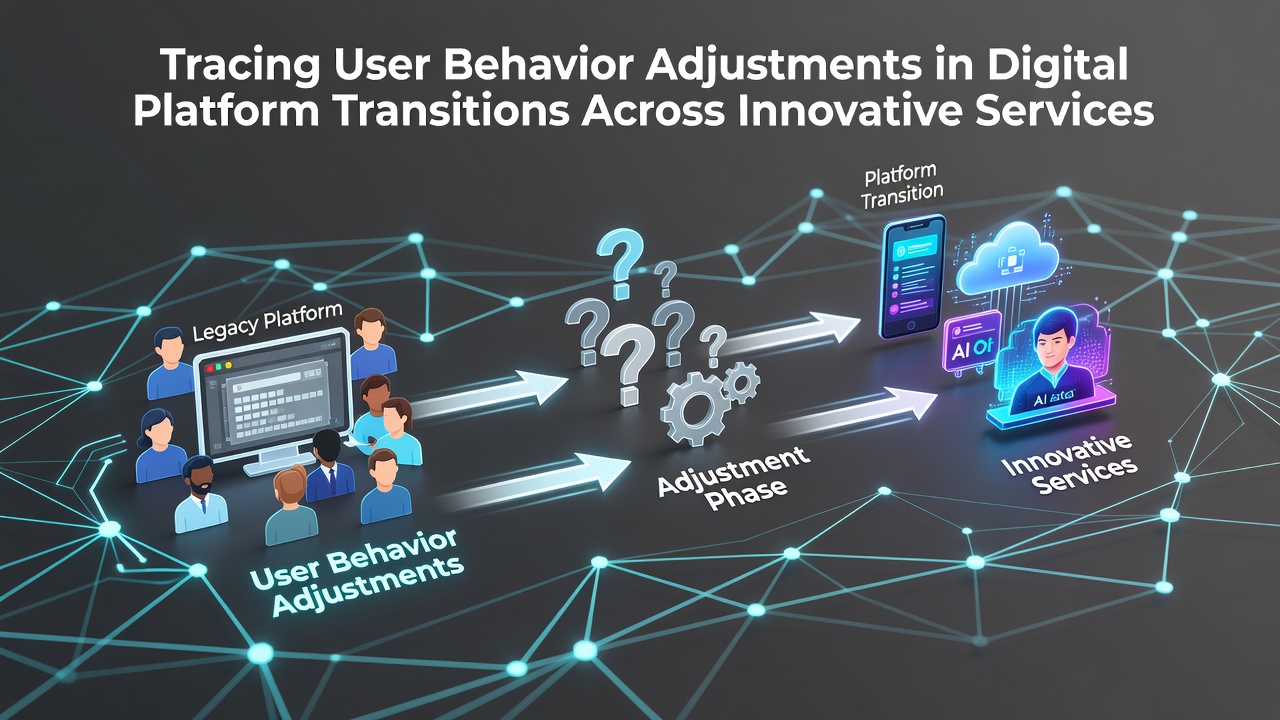
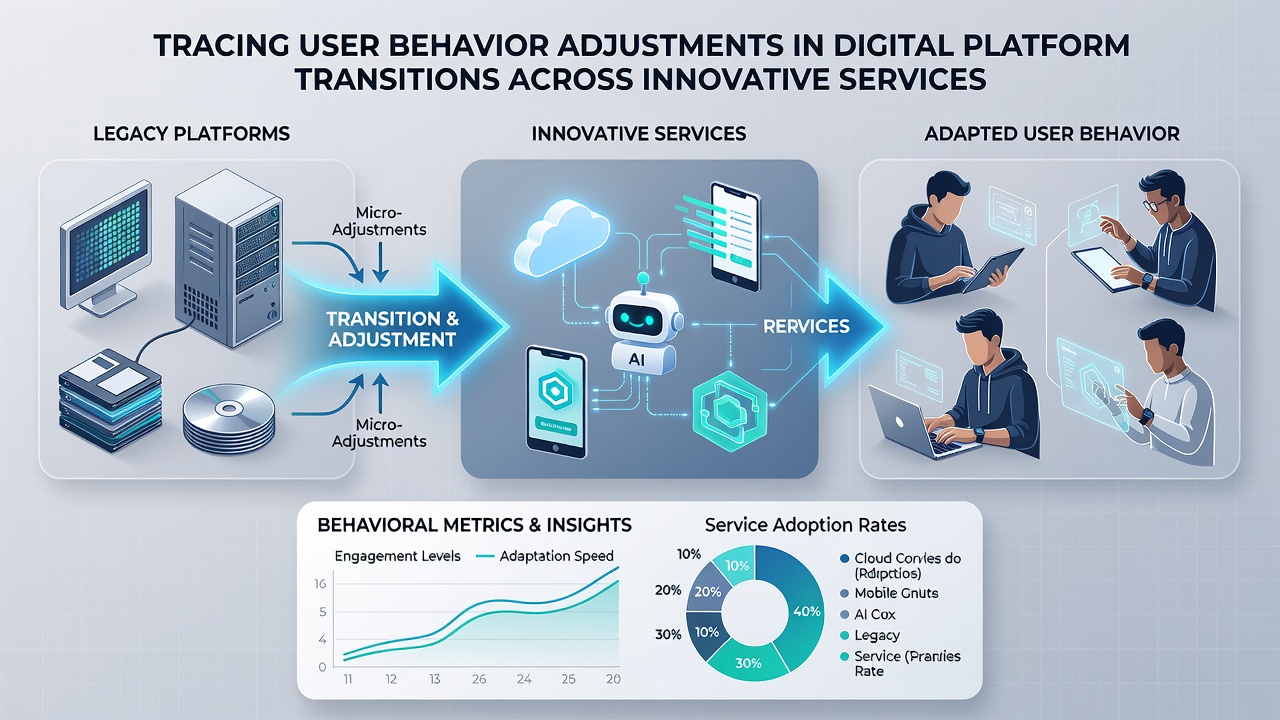
Digital platform transitions occur when organizations shift users from established systems to newer services that incorporate advanced features such as artificial intelligence integration and enhanced data processing capabilities, and researchers track these shifts through metrics that include session duration, feature adoption rates, and navigation path changes.
Studies from institutions across multiple regions document how users modify their interaction patterns when services introduce new interfaces or backend architectures, with data indicating that initial hesitation often gives way to increased engagement once core functions stabilize.
Methods for Monitoring Behavioral Shifts
Organizations employ a combination of server-side logging, client-side event tracking, and cohort analysis to capture adjustments in user behavior during these transitions, while tools aggregate information on click patterns, search queries, and content consumption habits over defined time periods.
According to figures from the European Commission on digital single market progress, platform operators reported a 22 percent average increase in feature usage within the first six weeks following major updates in 2025, and similar patterns emerged in subsequent monitoring cycles.
Researchers apply segmentation techniques that divide user groups by demographics, prior engagement levels, and device types, which allows for comparisons between those who adapted quickly and those who required additional support resources such as tutorial prompts or in-app guidance.
Patterns Observed in Recent Transitions
During migrations to cloud-based productivity suites, data shows that users initially spent more time on familiar tasks before exploring collaborative tools, whereas transitions involving mobile applications often produced spikes in short-session activity followed by longer sustained use once notification settings were customized.
In September 2026 several service providers are scheduled to roll out updated interfaces that incorporate real-time personalization engines, and preliminary tests indicate that users who receive gradual rollout notifications demonstrate steadier retention compared with those exposed to abrupt changes.
One case involved a regional healthcare platform that moved patient portals to an integrated system, where logs revealed a temporary rise in support ticket submissions during the first month that later declined as users completed self-service onboarding modules.
Influencing Factors and Data Indicators
Privacy configuration options, loading speed improvements, and cross-device synchronization capabilities rank among the elements that correlate with faster behavioral stabilization, according to a report issued by Statistics Canada on technology adoption trends.
Users who encountered clear data migration summaries adjusted their account settings at higher rates than those who received only general announcements, and engagement metrics from multiple services confirm that transparent communication reduces the duration of the adjustment phase.
Academic analyses from research centers in Australia have examined how gamified progress indicators affect completion rates during service onboarding, revealing that visual feedback mechanisms lead to measurable increases in daily active sessions across tested cohorts.
Cross-Industry Applications
Financial technology platforms, educational content delivery systems, and entertainment streaming services each present distinct transition scenarios where behavior tracking reveals sector-specific responses, such as heightened security verification steps in banking applications versus playlist customization in media services.
Industry reports compiled by the National Institute of Standards and Technology outline standardized approaches to logging user interactions that maintain compliance with data protection requirements while still providing actionable insights into adaptation timelines.
Those who study these transitions note that combining quantitative logs with qualitative feedback surveys produces more complete pictures of how different user segments respond to innovative service elements introduced during platform changes.
Conclusion
Tracing user behavior adjustments supplies organizations with concrete evidence for refining transition strategies across innovative digital services, and ongoing data collection in periods such as September 2026 continues to expand the available body of knowledge on effective implementation practices.